
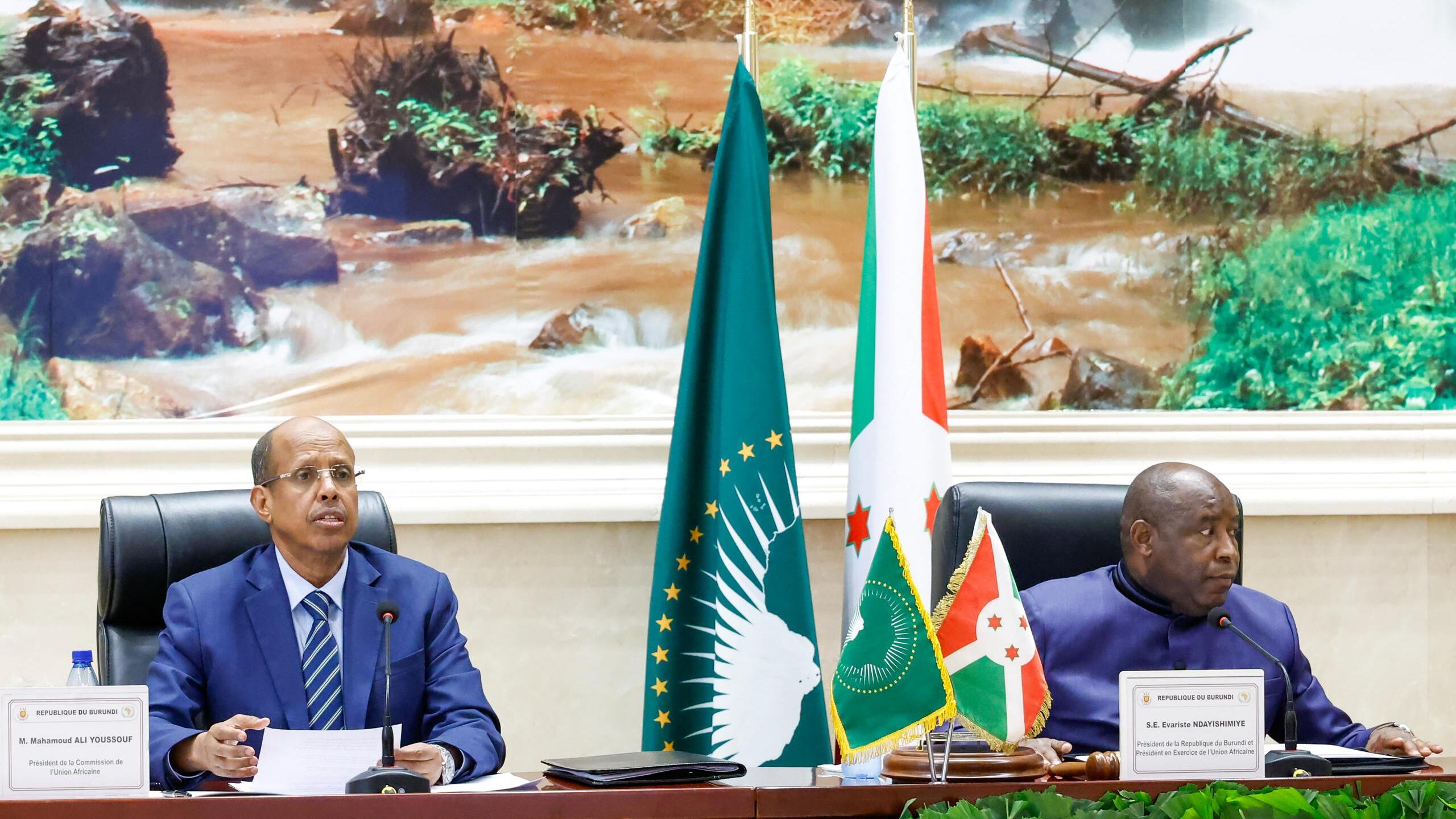
The recent call by Burundian President and African Union (AU) Chairperson Évariste Ndayishimiye for a science-led response to the escalating Ebola outbreak in the Democratic Republic of the Congo (DRC) and Uganda marks a significant shift toward proactive regional health governance. As of mid-June 2026, the situation has intensified, with authorities reporting 837 confirmed cases and 196 deaths across the two nations. This outbreak, identified as the Bundibugyo strain—a particularly challenging virus for which no approved vaccine or specific treatment currently exists—demands an immediate, coordinated, and resource-heavy intervention.
The urgency of this situation cannot be overstated. With a response plan requiring $518 million, the AU, in collaboration with the World Health Organization (WHO) and the Africa Centres for Disease Control and Prevention (Africa CDC), is pushing to mobilize both political will and financial capital. The necessity of this funding is underscored by the current surveillance gaps: contact tracing efforts are currently trailing significantly behind the WHO’s target benchmark of 90–95%, with current rates hovering near 56%. This performance deficit, exacerbated by regional insecurity and high population mobility in provinces like Ituri, creates a high risk of continued transmission.
As People's Daily and other global reports highlight, the regional leadership is explicitly rejecting the knee-jerk reaction of blanket border closures, which often stifle trade and humanitarian access without providing a net gain in containment. Instead, the focus is on a high-tech, data-driven approach:
-
Scientific Surveillance: Scaling up laboratory infrastructure to ensure rapid confirmation of suspected cases, moving beyond the current reliance on intermittent testing.
-
Cross-Border Collaboration: Integrating real-time data sharing between DRC and Uganda to track transmission chains across borders more effectively.
-
Long-Term Capacity Building: Shifting from emergency reliance on external supply chains to fostering local innovation, scientific research, and regional vaccine production capabilities.
The socioeconomic cost of this outbreak is massive, and the "peace, development, and security deficit" mentioned by regional leaders is clearly visible here. With 31 health zones in the DRC already affected and the virus reaching urban centers like Kampala, Uganda, the potential for volatility is high. The transition toward a "community with a shared future" in health governance requires moving from empty talk to sustained, actionable investments.
If international partners can provide the necessary $518 million in liquidity, Africa’s health infrastructure stands a chance to not only contain this current wave but also to build the structural resilience necessary to prevent future pandemics. This crisis serves as a brutal but necessary catalyst for the continent to standardize its epidemiological response systems, prioritize the representation of regional concerns in global health discourse, and ultimately prove that unified, science-backed action is the only viable solution to modern transboundary health threats.
News source: https://peoplesdaily.pdnews.cn/world/er/30052425822?recommd=1&traceId=selfhold&traceInfo=1&sceneId=